

Key facts
- IT’S BEEN LESS than a month since a ban on warrantless civil arrests at Massachusetts courthouses took effect.1
- The PROTECT Act, signed into law on August 5, laid out an array of new rules for federal immigration agents.1
- Last year, immigration agents arrested 614 people on Massachusetts courthouse grounds, according to the Trial Court.1 Just hours after the new court restrictions kicked in early this month, agents detained a man in a Chelsea courthouse.1
IT’S BEEN LESS than a month since a ban on warrantless civil arrests at Massachusetts courthouses took effect, and federal immigration agents have already detained 38 people on courthouse grounds.1
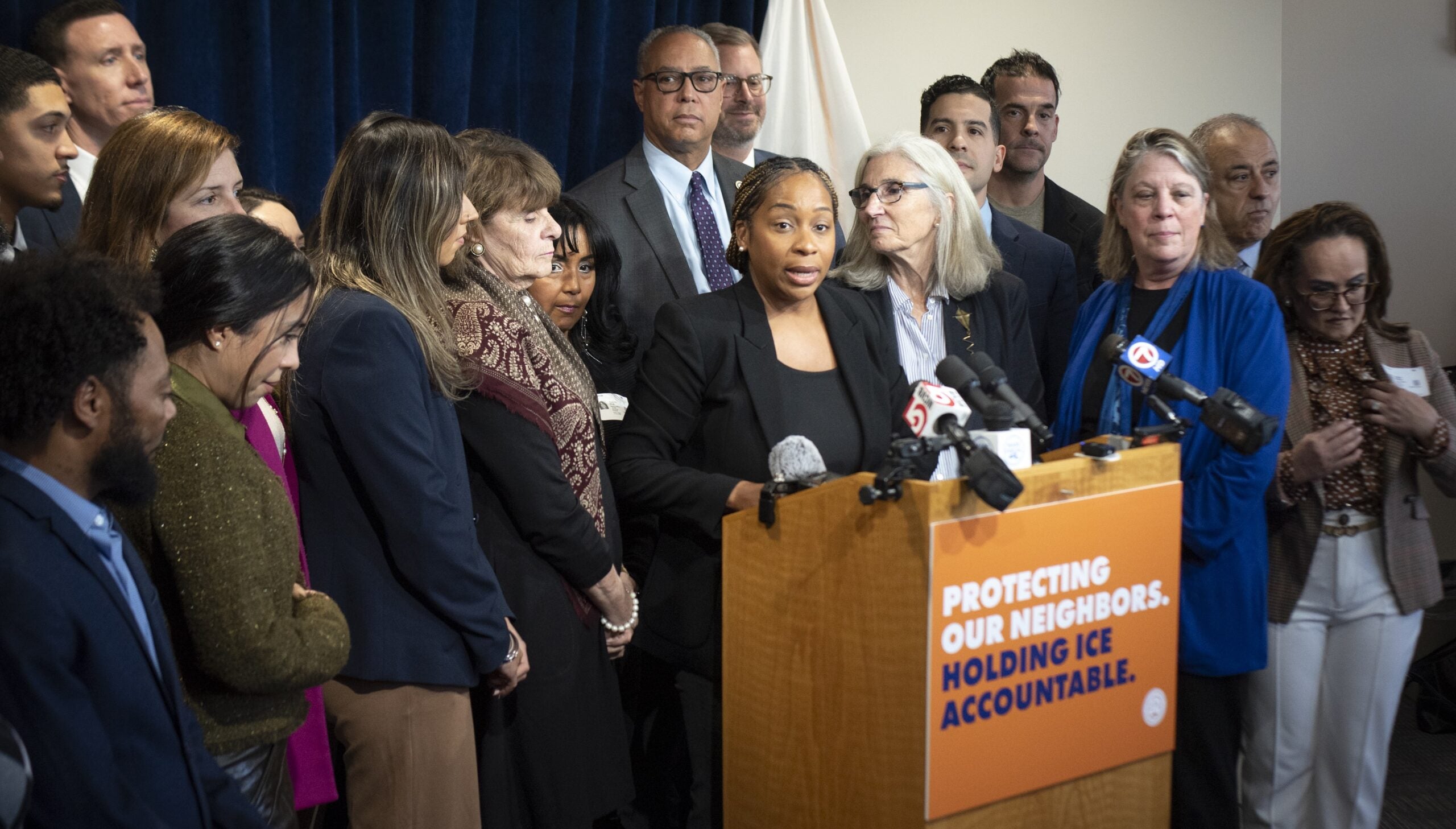
Amid public complaints that US Immigration and Customs Enforcement was blatantly violating the state’s courthouse arrest law, Attorney General Andrea Campbell sued Monday to protect what she says is the state’s constitutional right to limit immigration actions on its property.1
Arguing that an ICE directive to ignore state bans on courthouse arrests violates federal law and the Constitution, she wants a Boston federal judge to block the directive and declare that civil immigration arrests at state courts are prohibited unless state law permits them.1
The PROTECT Act And The Court Directive
The PROTECT Act, signed into law on August 5, laid out an array of new rules for federal immigration agents.1 A provision restricting courthouse arrests took effect on November 3.1
Last year, immigration agents arrested 614 people on Massachusetts courthouse grounds, according to the Trial Court..1 Just hours after the new court restrictions kicked in early this month, agents detained a man in a Chelsea courthouse.1
Courthouse arrests “damage our entire justice system by chilling access to courts,” wrote Lawyers for Civil Rights in a letter last week calling for action from Campbell’s office.1
ICE And The Legal Fight
In an October press release touting the arrest of a Dominican man, ICE criticized the PROTECT Act..1
“Time and time again, sanctuary politicians in Massachusetts have made the dumbfounding choice to prioritize dangerous criminal illegal aliens rather than their law-abiding American citizens,” Joseph Sher said.
Immigration officers are making their arrests under a directive issued in May 2025 that said courthouse arrests “are often required when jurisdictions refuse to cooperate with ICE, including when such jurisdictions refuse to honor immigration detainers.”1
The directive was vacated by a California federal judge in June, in a decision the administration has appealed.1
Federal courts in Connecticut, California, New York, and Pennsylvania have blocked state laws that required ICE agents to identify themselves and barred them from wearing masks while making arrests..1 The courthouse arrest suit drops Massachusetts into an ongoing legal quagmire about state and federal supremacy..1 The Supremacy Clause of the US Constitution prohibits states from “interfering with or controlling the operations of the Federal Government,” wrote US District Judge Vernon Oliver in his ruling on the Connecticut case, “and federal officers are immune from state prosecution when acting within the scope of their federal authority.”1
“interfering with or controlling the operations of the Federal Government,” Oliver wrote.